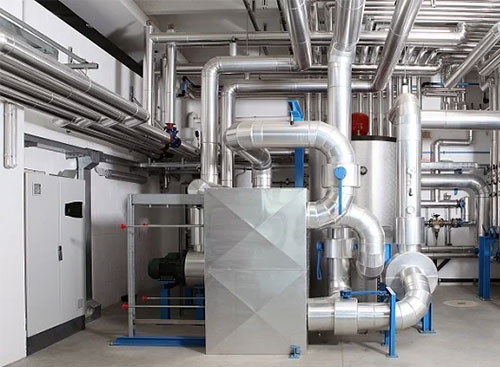
Trong các hệ thống HVAC hiện nay, ranh giới giữa thiết bị cơ khí và thiết bị điện tử điều khiển ngày càng mờ nhạt. Sự giao thoa giữa các sản phẩm điện (công tắc tơ, rơle, cảm biến) và tự động hóa công nghiệp đang trở nên vô cùng quan trọng đối với hiệu suất, hiệu quả và độ tin cậy của hệ thống.Các sản phẩm điện là cốt lõi của sự điều khiểnHãy tưởng tượng một máy nén khí đang khởi động: động cơ tiêu thụ dòng điện cao. Một công tắc tơ đóng mạch, động cơ quay và hệ thống được làm mát. Nếu công tắc tơ đó bị hỏng, hệ thống có thể bị kẹt, quá nhiệt hoặc tắt hẳn. Các sản phẩm điện đáng tin cậy đảm bảo việc chuyển mạch an toàn, vận hành hiệu quả và tuổi thọ thiết bị lâu dài.Trong ngành công nghiệp HVAC, các linh kiện điện này thường là những "người hùng thầm lặng", nhưng lại vô cùng quan trọng. Chúng đảm bảo hệ thống phản hồi chính xác với các lệnh tự động hóa, điều kiện quá tải và các khóa an toàn.Tự động hóa công nghiệp: Hệ thống HVAC thông minh hơn, phản hồi nhanh hơnTheo phân tích ngành gần đây, tự động hóa là xu hướng quan trọng đang định hình lại ngành công nghiệp HVAC:Một nghiên cứu về 10 xu hướng hàng đầu của ngành HVAC năm 2025 đã xác định HVAC kết nối, bảo trì dự đoán, tích hợp năng lượng tái tạo, phân tích và quản lý năng lượng là những động lực chính.Tự động hóa trong hệ thống HVAC giúp giảm tiêu thụ năng lượng, cải thiện lịch trình bảo trì và giảm chi phí vòng đời.Các giao thức tự động hóa tòa nhà hiện đại (BACnet/SC, KNX IoT) đang được tích hợp vào hệ thống điều khiển HVAC để nâng cao hiệu suất và khả năng giám sát từ xa.Điều này có nghĩa là khi bạn lựa chọn một hệ thống HVAC ngày nay, không chỉ đơn thuần là vấn đề công suất làm mát hay công suất sưởi ấm. Mà còn là về kiến trúc điều khiển, phân tích dữ liệu, sự tích hợp liền mạch giữa các hệ thống cơ khí và điện, cùng với các sản phẩm điện và cảm biến phù hợp để đảm bảo độ tin cậy.Các thành phần chính của hệ thống HVACChúng ta hãy cùng thảo luận về các bộ phận chính của hệ thống HVAC và làm nổi bật vai trò của các sản phẩm điện và tự động hóa.Giao diện điều khiển và bộ điều nhiệtThis is the user interface (for a home) or the building management system in a larger facility. It’s where temperature is set, schedules are defined, and zones may be managed.Heating Unit (Furnace, Boiler, or Heat Pump)Furnace/Boiler: Burns fuel (gas, oil) or uses electric resistance to warm air/water.Heat Pump: Transfers heat from one place to another, and even works for both heating and cooling.Cooling Components (Evaporator & Condenser Coils, Compressor)These manage cooling via refrigerant cycles. The compressor is one of the most energy-intensive parts and must be controlled precisely.Air Handler & Blower MotorMoves air across coils and through ducts. The motor is driven by control signals. Here, electrical products like contactors and relays ensure the motor receives correct power and switches it on/off safely.Ductwork, Vents & DampersDistribute treated air into rooms or zones. Dampers regulate airflow. In more automated systems, dampers respond to zone commands from a control system (industrial automation link).Filters & Air Quality DevicesRemove particulates, allergens, and include UV lights or additional purification modules for better indoor air quality.Electrical Controls & Automation ComponentsThis is where the electrical product angle gets strong:Electrical contactors and relays control power to compressors and blower motors, enabling safe and efficient switching of high currents.Circuit breakers, overload protectors, and safety interlocks protect equipment and users.Sensors (temperature, humidity, CO₂, pressure) feed data to the control system.Building automation systems (BAS) or industrial automation platforms integrate all components for optimal performance, predictive maintenance, and energy savings.Why Does Proper HVAC Maintenance Matter?No matter how good your HVAC system is, it needs regular attention. In the HVAC Industry, maintenance is often the difference between smooth running and screaming repair bills.Over time, filters get clogged, coils get dirty, motors wear out, and electrical products may fail.The system must keep up with changes in occupancy, outside weather, building usage, and automation updates.Poor maintenance leads to inefficiency: higher energy bills, uneven temperature, poor air quality, and risk of failure.Simple Maintenance TipsChange or clean air filters regularly. A clogged filter forces the blower motor to work harder, increasing wear and energy use.Schedule annual inspections by professionals: check refrigerant levels, inspect coils, verify controls, and test safety devices.Keep exterior units (condensers) clean and free of debris; they need good airflow.Monitor for odd sounds, odors, or performance drops. If a compressor cycles unusually or a zone is always warm/cold, call for service.Ensure your control system and automation software are updated. Verify that all electrical products (contactors, relays, sensors) are functioning properly.In commercial or industrial settings, leverage analytics from your building automation system to spot anomalies early.Common HVAC Warning SignsHere are red flags that the HVAC system may not be performing optimally:Some rooms are too hot or too cold (zoning imbalance or duct/damper issue).Strange or loud noises from the blower, compressor, or fan (could indicate motor or bearing issues).Increased energy bills without any obvious change in building use (inefficiency creeping in).Poor airflow at vents or a weak air return is causing a pressure imbalance.The thermostat seems unresponsive, or zones don’t switch properly (automation/control fault).Excessive humidity or stuffy air ventilation could be compromised.The system cycles on/off frequently (short-cycling), which often points to a control fault or improper sizing.Unexpected breakdowns or frequent repair times may indicate to consider a system review or component replacement.Real-Time Data & Trends in the HVAC IndustryLet’s look at some recent figures and insights to underscore how relevant and dynamic the HVAC Industry is. These numbers help build authority and show that when you talk about HVAC systems, you’re referring to a large, evolving market.The global HVAC System market was valued at about USD 310.6 billion in 2024 and is expected to grow from USD 328.1 billion in 2025 to about USD 545.4 billion by 2034, at a CAGR of ~5.8%.Additionally, the following chart from MarketsandMarkets provides further validation of global HVAC market growth trends. According to their analysis, the HVAC system market is projected to grow from USD 289.99 billion in 2024 to USD 407.77 billion by 2030, at a CAGR of 6.4%, with the Asia Pacific identified as the fastest-growing region.Another estimate puts the global market for HVAC systems at USD 219.44 billion in 2024, projected to reach USD 403.06 billion by 2034 (CAGR ~6.27%).In the U.S., the HVAC equipment market (residential + commercial) is projected to grow from USD 22.44 billion in 2024 to USD 41.22 billion by 2033 CAGR of ~6.99%.The trend toward automation, smart systems, IoT integration, and energy efficiency is strong: For example, connected HVAC, predictive maintenance, and green refrigeration are identified as major innovation trends in 2025.According to employment projections, over 40,000 new HVAC jobs will be added every year through the next decade in the U.S., showing that the HVAC Industry is not just large, but growing in workforce needs too.These data points confirm that HVAC systems are not a nichethey are major installations in residential, commercial, and industrial settings. For anyone specifying or maintaining these systems, understanding the scale, trends, and technical depth matters.Putting It All Together: Why Understanding Your HVAC System Makes a DifferenceKhi nhìn nhận toàn cảnh, bạn sẽ thấy rằng hệ thống HVAC không chỉ đơn thuần là một thiết bị trên mái nhà hay một lò sưởi trong tầng hầm. Đó là một mạng lưới phức tạp gồm các hệ thống cơ khí, điện và điều khiển, hoạt động cùng nhau để tạo ra môi trường trong nhà thoải mái.Dưới đây là một vài điểm cuối cùng cần lưu ý:Việc lựa chọn hệ thống HVAC phù hợp cần xem xét các yếu tố sau: kích thước tòa nhà, số lượng người sử dụng, khu vực, khí hậu, mức độ tự động hóa, mục tiêu năng lượng và khả năng tiếp cận để bảo trì.Việc lựa chọn các sản phẩm điện, công tắc tơ, rơle, cảm biến và bộ điều khiển cũng quan trọng không kém gì thiết bị cơ khí. Nếu hệ thống điều khiển gặp sự cố hoặc hệ thống tự động hóa yếu, ngay cả phần cứng tốt nhất cũng sẽ hoạt động kém hiệu quả.Trong các hệ thống hiện đại, tự động hóa công nghiệp là yếu tố tạo nên sự khác biệt lớn. Các hệ thống tích hợp điều khiển thông minh phản hồi nhanh hơn, thích ứng với sự thay đổi và thường tiết kiệm năng lượng hơn về lâu dài.Bảo trì là điều bắt buộc. Với thị trường rộng lớn và cạnh tranh khốc liệt như ngành công nghiệp HVAC, các hệ thống hoạt động bền bỉ trong thời gian dài là những tài sản vô cùng quý giá.Hiểu rõ các dấu hiệu lão hóa hoặc hư hỏng của hệ thống giúp nâng cấp hoặc sửa chữa kịp thời. Điều bạn không muốn nhất là sự cố ngừng hoạt động bất ngờ giữa mùa hè hoặc mùa đông.